
Dropshipping marketing isn’t just about flashy ads and viral products anymore. It’s more like running a small data company where trust, uptime, and security decide whether you win or quietly disappear. If you’re reading this with a linuxsecurity.com mindset, you already know that growth without control is a liability. Dropshipping marketing today blends SEO, paid traffic, automation, and analytics, all while juggling suppliers you don’t control and platforms that can change rules overnight. Think of it like deploying an internet-facing service: marketing is your traffic, your store is the app, and customer trust is your SLA. Get the architecture wrong, and everything crashes at scale.
What Dropshipping Marketing Really Means in 2026
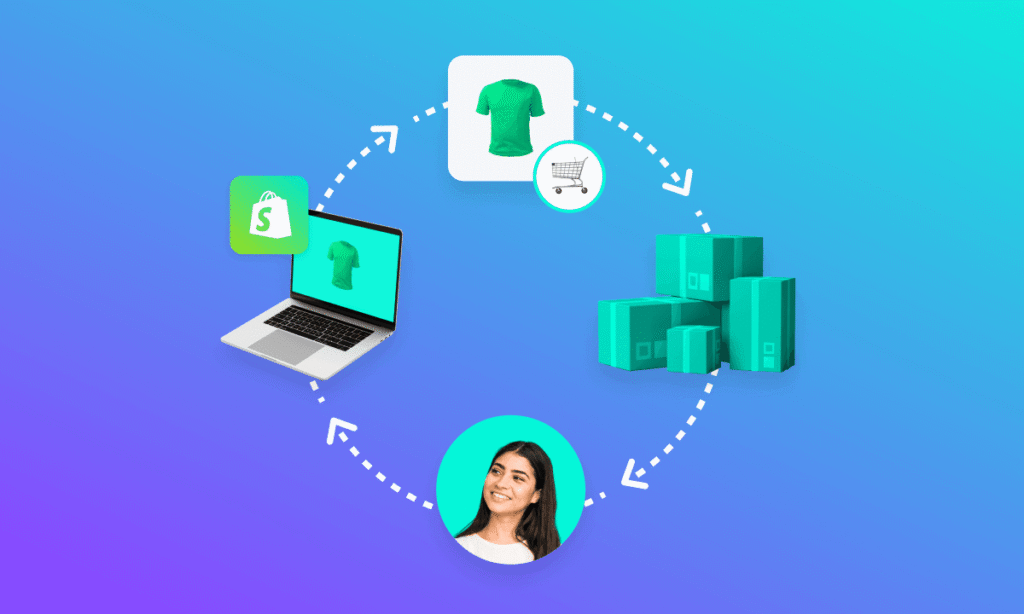
At its core, dropshipping marketing is the system you build to attract, convert, and retain customers without touching inventory. But in practice, it’s closer to orchestrating distributed systems than running a simple store. You’re coordinating ad platforms, content channels, suppliers, payment processors, and analytics tools, often across jurisdictions. Marketing isn’t a single tactic; it’s the glue that keeps this fragile stack together. A solid strategy balances organic discovery, paid amplification, and lifecycle engagement. The real differentiator now is resilience. Brands that treat marketing as an engineered system, with monitoring and fail-safes, outperform those chasing short-term hacks.
Why Security and Privacy Matter in Dropshipping
Security in dropshipping marketing is not optional; it’s existential. Every pixel, form, and script you add increases your attack surface. Customer data, ad accounts, and supplier credentials are high-value targets. A single breach can wipe out margins and reputation overnight. Privacy regulations add another layer of complexity, forcing marketers to think like security engineers. Minimizing data collection, encrypting everything, and choosing tools that respect user consent isn’t just compliance theater. It’s risk management. In a world where trust is currency, secure marketing practices become a competitive advantage rather than a cost center.
Building a Trust-First Brand in a Zero-Trust World
Trust-first branding means assuming nothing and verifying everything. Customers are skeptical, platforms are hostile, and suppliers can vanish without warning. Your marketing should reflect transparency at every step, from clear product pages to honest shipping timelines. Security signals matter here. HTTPS, privacy policies, and clean UX are the marketing equivalent of hardened servers. They quietly reassure users that you know what you’re doing. Over time, this trust compounds. Like a well-maintained Linux system, it doesn’t draw attention when it works, but it’s painfully obvious when it doesn’t.
SEO for Dropshipping with a Technical Edge
SEO remains the most sustainable channel for dropshipping marketing, especially for operators who value control. Unlike ads, organic traffic can’t be shut off overnight by a policy change. Technical SEO is where Linux-minded marketers shine. Fast servers, clean code, structured data, and proper indexing form the foundation. Content fills in the rest. The goal isn’t keyword stuffing; it’s relevance and authority. Treat your site like a production service: optimize performance, reduce bloat, and monitor logs. Search engines reward sites that deliver value reliably, just like users do.
Content Marketing That Converts and Complies
Content marketing in dropshipping is about education and reassurance, not hype. Buyers want answers, comparisons, and proof. Long-form guides, tutorials, and honest reviews work because they lower uncertainty. From a security angle, content should also be compliant and accurate. Avoid scraping or duplicating supplier descriptions, which can introduce legal and SEO risks. Original content is like open-source software: transparent, auditable, and trusted. When done right, content becomes a silent salesperson working 24/7 without exposing you to the volatility of paid traffic.
Keyword Research Without Leaking Competitive Data
Keyword research sounds harmless, but it can leak strategy if handled carelessly. Using browser-based tools tied to personal accounts or shared credentials is like committing secrets to a public repo. A safer approach relies on isolated environments, VPNs, and privacy-respecting tools. Focus on intent-driven keywords that align with real user problems rather than chasing volume alone. Long-tail queries often convert better and face less competition. Think of keywords as ports you open on your server. Only expose what you can handle, and monitor what comes through.
Paid Traffic Strategies Without Burning the Budget
Paid ads are powerful but unforgiving. In dropshipping marketing, they’re often the fastest way to validate products, but also the fastest way to lose money. Platforms reward discipline, not recklessness. Start small, test methodically, and isolate variables like a proper experiment. From a security perspective, ad accounts should be locked down with strong authentication and limited access. Losing an ad account is like losing root access. It can stall growth instantly. Smart marketers treat paid traffic as a tool, not a crutch.
Email and Lifecycle Marketing with Privacy by Design
Email remains one of the highest ROI channels in dropshipping marketing, especially when done responsibly. Lifecycle campaigns guide users from curiosity to loyalty, reducing reliance on constant acquisition. Privacy by design is key here. Collect only what you need, store it securely, and respect unsubscribe requests immediately. Self-hosted or privacy-focused email solutions can reduce risk and increase deliverability. Think of your email list as a private network. Nurture it carefully, protect it fiercely, and it will outperform noisy public channels over time.
Social Media Marketing and Platform Risk Management
Social media is both an opportunity and a dependency risk. Algorithms change, accounts get suspended, and reach fluctuates without warning. Dropshipping marketing on social platforms should diversify content and avoid over-reliance on a single channel. Treat each platform like a third-party API with unstable guarantees. Back up content, document processes, and never let one account control your entire funnel. The goal is visibility without fragility. When platforms shift, resilient brands adapt instead of panic.
Influencer Marketing Without Supply Chain Surprises
Influencer marketing can accelerate trust, but it amplifies any weakness in your operation. Late shipments, poor quality, or unclear messaging get exposed instantly. Before partnering, audit suppliers and logistics like you’d audit dependencies in a software project. Clear contracts and expectations reduce risk. From a marketing standpoint, micro-influencers often deliver better ROI and authenticity. They’re like lightweight services: easier to manage, less risky, and surprisingly powerful when combined strategically.
Analytics, Attribution, and Data Minimization
Analytics guide decisions, but more data isn’t always better. Over-collecting creates security and compliance headaches. Dropshipping marketing benefits from focused metrics: conversion rates, acquisition costs, and retention. Use tools that respect privacy and allow self-hosting when possible. Clean data beats noisy dashboards every time. Attribution models should inform, not confuse. Think of analytics like system logs. Collect what helps you troubleshoot and optimize, not everything just because you can.
Linux-Based Marketing Stack for Dropshippers
A Linux-based stack aligns perfectly with secure dropshipping marketing. Open-source tools offer transparency, control, and flexibility. From servers to analytics, Linux environments reduce licensing costs and vendor lock-in. They also encourage better operational hygiene. Version control, automation scripts, and monitoring tools translate directly into marketing efficiency. Running your stack like an infrastructure project creates stability. When traffic spikes or campaigns scale, your systems respond gracefully instead of collapsing under pressure.
Automation, AI, and Threat Modeling
Automation and AI can supercharge dropshipping marketing, but they also introduce new risks. Automated campaigns, chatbots, and recommendation engines should be threat-modeled like any other system. What happens if inputs are poisoned or outputs go wrong? Guardrails matter. Use automation to handle repetition, not judgment. Human oversight keeps strategies aligned with brand values and compliance. When AI is treated as an assistant rather than an authority, it becomes a force multiplier instead of a liability.
Scaling Safely: From Side Hustle to Serious Business
Scaling dropshipping marketing is less about speed and more about stability. Growth exposes weaknesses in systems, suppliers, and messaging. Before scaling, harden what you have. Document processes, secure accounts, and diversify channels. Scaling without preparation is like increasing traffic to an unpatched server. It might work briefly, but failure is inevitable. Sustainable growth comes from deliberate expansion, constant monitoring, and a mindset that values resilience as much as revenue.
Conclusion
Dropshipping marketing has matured into a discipline that rewards technical thinking and security awareness. The days of quick wins and careless growth are fading. Today’s winners build trust-first brands, engineer resilient funnels, and treat marketing like infrastructure. For a Linux-savvy audience, this approach feels natural. Control your stack, minimize risk, and optimize continuously. When marketing aligns with security principles, growth becomes predictable instead of chaotic. That’s how dropshipping evolves from a gamble into a durable business.