
Understanding the Role of a Corporate Software Inspector
A corporate software inspector acts as the gatekeeper of an organization’s digital ecosystem, ensuring that every application, platform, and system in use is legitimate, secure, and properly managed. In today’s software-driven business world, companies rely on dozens—sometimes hundreds—of tools to operate efficiently. Without structured oversight, this digital sprawl can quietly turn into a costly and risky mess. This is where the corporate software inspector steps in, bringing clarity and control to what often feels like invisible chaos. Their work protects the organization from compliance issues, security threats, and wasted spending, while also supporting smoother operations across departments.
What a Corporate Software Inspector Really Does
On a day-to-day basis, a corporate software inspector evaluates software installations, usage patterns, access permissions, and licensing agreements across the organization. They look beyond surface-level inventories and dig into how software is actually being used by employees and systems. Are tools being shared beyond allowed limits? Are outdated versions still running critical processes? Is shadow IT quietly growing? By answering these questions, inspectors help organizations understand their real software footprint. Their role is both investigative and preventive, identifying issues early and recommending improvements before problems escalate into audits, fines, or breaches.
Why This Role Matters in Modern Enterprises
In modern enterprises, software is as critical as electricity. A single mismanaged application can expose sensitive data or disrupt operations. The corporate software inspector ensures that this dependency remains safe and sustainable. Their role matters because it directly impacts legal compliance, cybersecurity resilience, and financial efficiency. As companies scale and adopt new technologies rapidly, having someone dedicated to monitoring and managing software usage becomes not just helpful, but absolutely necessary.
The Growing Need for Software Oversight in Corporations
Corporate environments have evolved into highly interconnected software ecosystems. Cloud services, SaaS platforms, mobile apps, and third-party integrations are now standard. While this flexibility boosts productivity, it also introduces complexity that’s hard to manage without oversight. Software oversight ensures that every tool aligns with company policies and regulatory requirements. Without it, organizations risk losing visibility, control, and accountability over their digital assets, which can lead to serious operational and legal consequences.
Rise of Complex Enterprise Software Ecosystems
Departments today often choose their own tools to solve specific challenges. Marketing may use analytics platforms, sales may rely on CRMs, and HR may operate entirely in cloud-based systems. Over time, this creates fragmented ecosystems that are difficult to track centrally. Corporate software inspectors help unify this landscape by providing a clear overview of all software in use. They ensure consistency, reduce redundancy, and help leadership make informed decisions about technology investments.
Hidden Risks Inside Licensed and Unlicensed Software
Not all risks are obvious. Even licensed software can pose threats if it’s misconfigured, outdated, or used beyond agreed terms. Unlicensed software, on the other hand, exposes companies to fines, lawsuits, and security vulnerabilities. Corporate software inspectors uncover these hidden dangers by conducting regular checks and maintaining accurate records. This proactive approach prevents unpleasant surprises during vendor audits or regulatory reviews.
Core Responsibilities of a Corporate Software Inspector
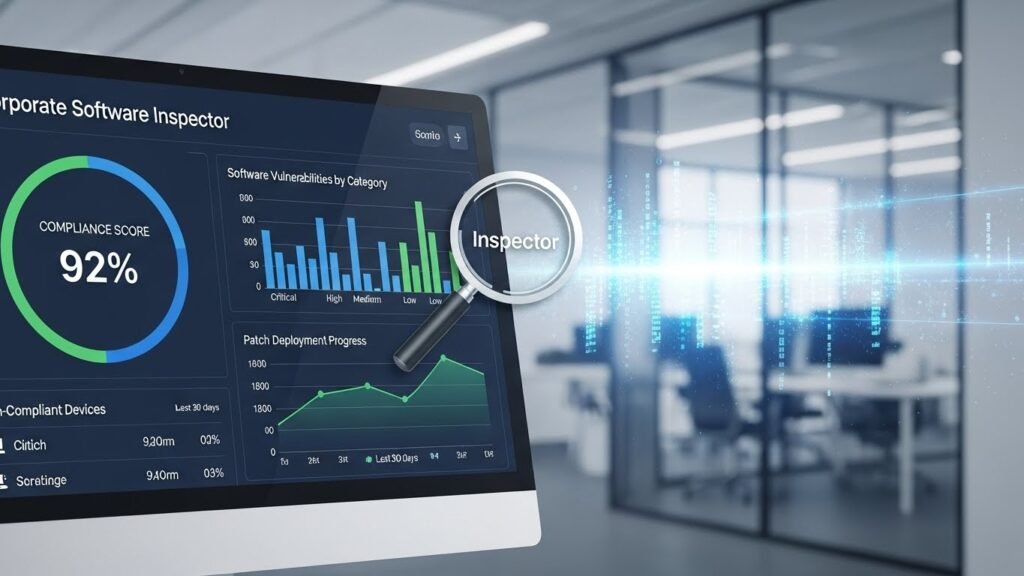
The responsibilities of a corporate software inspector extend across compliance, security, documentation, and communication. They continuously monitor software usage, prepare reports for management, and collaborate with IT and legal teams. Their work ensures that policies are not just written, but actually followed. By maintaining ongoing oversight rather than one-time audits, they help organizations stay compliant and secure at all times.
Software Compliance and License Verification
License management is a major responsibility. Inspectors verify that the organization owns the correct number of licenses and uses them according to vendor agreements. This prevents both over-licensing, which wastes money, and under-licensing, which can trigger penalties. Accurate license verification also improves budgeting and long-term planning by providing a realistic picture of software needs.
Security Audits and Vulnerability Detection
Security is tightly linked to software management. Inspectors identify outdated applications, unauthorized tools, and weak access controls that could be exploited by attackers. By flagging these vulnerabilities early, they help IT teams patch systems and strengthen defenses. This reduces the likelihood of data breaches and service disruptions.
Corporate Software Inspector vs IT Auditor
Although often confused, corporate software inspectors and IT auditors serve different purposes. IT auditors usually conduct periodic reviews focused on controls and compliance at a high level. Software inspectors work continuously, focusing deeply on software assets and usage. Their role is more operational and preventive, helping organizations stay compliant every day rather than just during audits.
Key Differences in Scope and Approach
The software inspector’s approach is hands-on and detailed. They monitor real-time usage, investigate anomalies, and provide actionable insights. This narrow but deep focus allows them to catch issues that broader audits may overlook, making them a critical complement to traditional IT auditing.
Skills Required to Become a Corporate Software Inspector
This role demands a unique blend of technical expertise and interpersonal skills. Inspectors must understand software systems, licensing models, and security principles, while also communicating effectively with stakeholders. Their ability to translate technical findings into clear recommendations determines their impact within the organization.
Technical Skill Set
Technical skills include software asset management, system monitoring, vulnerability assessment, and familiarity with compliance frameworks. Inspectors should be comfortable analyzing data, using monitoring tools, and collaborating with IT teams to resolve issues efficiently.
Soft Skills That Make a Difference
Soft skills such as communication, negotiation, and problem-solving are equally important. Inspectors often need to educate employees, negotiate with vendors, and present findings to management. A collaborative and approachable attitude helps ensure cooperation rather than resistance.
Tools and Technologies Used by Software Inspectors
Modern software inspection relies heavily on automation. Manual tracking is no longer practical in large environments. Inspectors use specialized tools to scan networks, track installations, and generate detailed reports that provide real-time visibility into software usage.
Automated Inspection and Monitoring Tools
Software asset management platforms, compliance dashboards, and security scanners are commonly used. These tools enable proactive monitoring and alerts, allowing inspectors to address issues quickly and efficiently before they escalate.
Role in Cybersecurity and Risk Management
Software inspection plays a vital role in cybersecurity strategy. Every unauthorized or outdated application increases the attack surface. Inspectors help minimize this risk by ensuring only approved, secure software is in use.
Preventing Data Breaches Through Proactive Inspection
By identifying vulnerabilities early, corporate software inspectors help prevent breaches that could damage reputation and finances. Proactive inspection is far more effective and less costly than reacting after an incident occurs.
Legal and Regulatory Compliance
Many industries face strict regulations regarding data protection and software usage. Corporate software inspectors help organizations comply with these rules by maintaining accurate documentation and enforcing policies consistently.
Ensuring Alignment with Industry Regulations
From data privacy laws to industry-specific standards, inspectors ensure alignment by tracking compliance requirements and verifying that software usage meets regulatory expectations.
Benefits of Hiring a Corporate Software Inspector
Hiring a corporate software inspector delivers long-term value. Organizations benefit from reduced costs, improved security, and lower legal risk. Clear visibility into software usage also supports better decision-making and operational efficiency.
Financial, Legal, and Operational Advantages
Optimized licensing reduces waste, compliance reduces fines, and security reduces downtime. Together, these advantages make the role a strategic investment rather than an expense.
Challenges Faced by Corporate Software Inspectors
Despite their importance, inspectors face challenges such as rapid technological change, shadow IT, and employee resistance. Staying adaptable and informed is essential to overcoming these obstacles.
Rapid Technological Changes
New tools and platforms emerge constantly. Inspectors must continuously update their knowledge to remain effective in a fast-changing environment.
Corporate Software Inspection in Remote Work Environments
Remote work has expanded software usage beyond traditional office boundaries. Employees access systems from various locations and devices, increasing complexity and risk.
Managing Distributed Systems and Devices
Inspectors must implement strategies that balance security and privacy, ensuring oversight without overreach in distributed environments.
Future of Corporate Software Inspection
The future of corporate software inspection lies in intelligent automation. Advanced analytics and AI will enhance visibility and predictive capabilities.
AI and Automation in Software Oversight
AI-driven insights will help inspectors identify patterns, predict risks, and recommend actions, elevating the role to a strategic advisory level.
How Businesses Can Implement Software Inspection Programs
Implementing an inspection program requires clear policies, the right tools, and skilled professionals. Integration with IT and compliance teams ensures effectiveness.
Building an Internal Inspection Framework
A structured framework ensures consistency, accountability, and continuous improvement across the organization.
Industries That Rely Heavily on Software Inspectors
Industries handling sensitive data rely heavily on software inspection to maintain compliance and trust.
Finance, Healthcare, and Tech Sectors
These sectors face strict regulations and high risks, making corporate software inspectors indispensable.
Conclusion
A corporate software inspector is a vital protector of modern organizations. By ensuring compliance, security, and efficiency, they help businesses operate confidently in a complex digital landscape. As reliance on software continues to grow, the importance of this role will only increase, making it a cornerstone of sustainable corporate governance.