
Introduction to Growth Navigation in Startups
Growth Navigate Startup Tools: Growth isn’t just about making more money. It’s about moving forward with direction, clarity, and strategy. When you navigate startup growth properly, you’re not wandering blindly through a jungle of competition. You’re following a mapped path. That path is built with smart decisions, clear data, and the right startup tools. Without tools, growth feels chaotic. With the right tools, it becomes intentional. Every startup founder dreams of scaling fast, but scaling without structure is like building a skyscraper on sand. Tools act as the steel framework that supports your ambitions and keeps everything aligned as you expand.
Why Growth Is More Than Just Revenue
Revenue is important, sure. But real growth is deeper than numbers in a bank account. It’s about user acquisition, customer retention, operational efficiency, and brand positioning. Imagine pouring water into a leaky bucket. That’s what revenue growth looks like without systems. Growth navigation tools help plug those leaks. They track churn, monitor engagement, and reveal patterns you might miss. Sustainable growth is about momentum. It’s about building systems that allow you to grow without burning out your team or exhausting resources. When you think beyond revenue, you start building a business that lasts.
The Role of Tools in Modern Startup Scaling
In today’s digital landscape, manual processes slow you down. Automation, analytics, and collaboration platforms are no longer optional. They’re survival gear. Startup tools act like GPS systems for your growth journey. They show where you are, where you’re headed, and where you might crash. From marketing automation to financial dashboards, these tools reduce guesswork. Instead of reacting to problems, you anticipate them. Instead of scrambling for insights, you have them in real time. The right tools don’t replace strategy, but they amplify it. They make scaling structured rather than stressful.
Understanding the Growth Journey
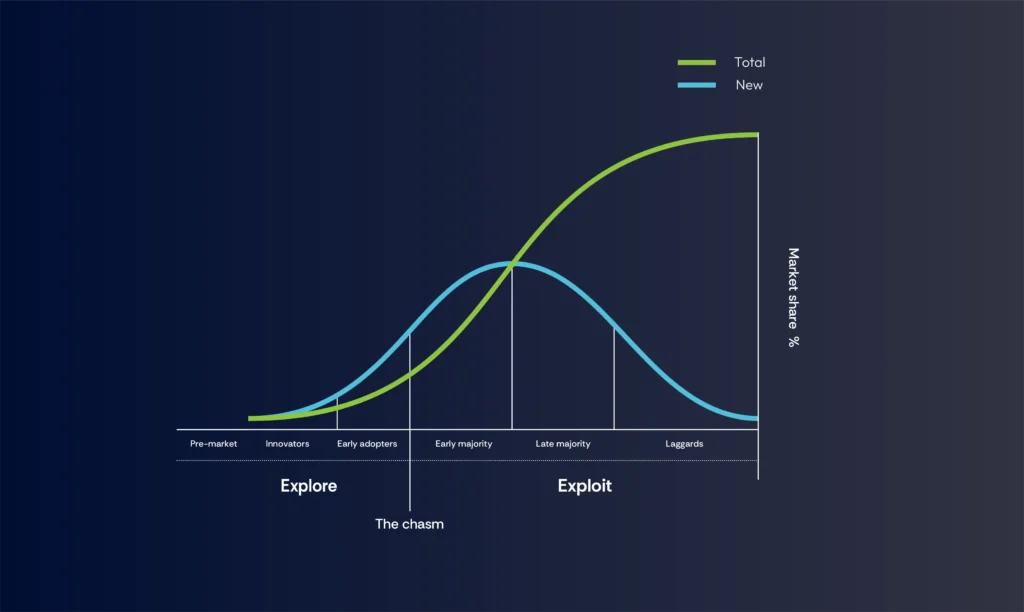
Growth Navigate Startup Tools: Every startup moves through stages. Idea, validation, traction, scale. Each stage demands different tools and strategies. If you try scaling tactics too early, you waste money. If you ignore optimization during traction, you stall. Growth navigation means knowing what phase you’re in and choosing tools that match. It’s like shifting gears in a car. You wouldn’t drive uphill in first gear forever. Likewise, you shouldn’t rely on spreadsheets when your customer base explodes. Recognizing your growth stage helps you select tools that support—not suffocate—your progress.
From Idea to Traction
Early-stage startups need speed. MVP builders, no-code platforms, and simple analytics tools help validate concepts quickly. At this stage, flexibility matters more than perfection. You’re testing assumptions, gathering feedback, and iterating fast. Tools that allow rapid prototyping and user tracking help confirm whether your idea has legs. The goal isn’t massive revenue yet. It’s proof of demand. Lightweight CRM systems and basic marketing automation can kickstart lead capture without overwhelming your team. Traction begins when experimentation meets evidence.
From Traction to Scale
Once traction appears, complexity increases. More customers mean more data, more support tickets, and more moving parts. This is where structured systems become essential. Growth-focused startups invest in scalable CRM platforms, advanced analytics, and marketing funnels. Instead of testing randomly, you optimize strategically. Tools help refine acquisition channels, improve retention rates, and streamline operations. Scaling is about leverage. It’s doing more without proportionally increasing effort. That’s where smart tool selection transforms hustle into horsepower.
Common Growth Bottlenecks Startups Face
Growth Navigate Startup Tools: Growth bottlenecks often hide in plain sight. Poor onboarding flows, unclear analytics, manual invoicing, or inconsistent marketing campaigns can stall momentum. Without tools, identifying these bottlenecks feels like searching for a needle in a haystack. Analytics platforms uncover drop-off points. Automation tools reduce repetitive tasks. Financial dashboards reveal cash flow issues before they become crises. Bottlenecks aren’t signs of failure. They’re signals for adjustment. Tools help interpret those signals clearly.
Essential Startup Tools for Product Development
Product development tools form the backbone of innovation. Collaboration platforms keep teams aligned. Project management systems track tasks, deadlines, and progress. When communication breaks down, products suffer. Centralized tools eliminate confusion and scattered conversations. Instead of endless email threads, teams operate in shared digital workspaces. Efficiency increases. Accountability improves. Product development becomes systematic instead of chaotic.
MVP Development Platforms
Growth Navigate Startup Tools: MVP platforms allow founders to build quickly without heavy coding. No-code and low-code tools accelerate validation. Instead of waiting months for development, you launch in weeks. Early user feedback becomes your compass. These platforms lower barriers and reduce initial costs. The faster you test, the faster you learn. And in startups, learning speed equals competitive advantage.
Collaboration and Project Management Tools
Remote teams are common today. Collaboration tools unify communication, file sharing, and task tracking. When everyone sees project progress in real time, transparency improves. Deadlines become realistic. Priorities stay clear. Strong internal alignment reflects externally in product quality. Growth begins with internal clarity.
Rapid Prototyping Software
Prototyping tools help visualize ideas before full development. Wireframes, mockups, and interactive demos reduce misunderstandings. Investors understand your vision better. Developers execute more efficiently. Users provide clearer feedback. Prototyping saves time, money, and frustration.
Marketing Tools to Accelerate Growth
Growth Navigate Startup Tools: Marketing drives awareness. Without it, even brilliant products remain invisible. SEO platforms improve search rankings. Content marketing tools organize publishing schedules. Social media automation ensures consistent engagement. Marketing tools amplify reach while maintaining consistency. Instead of shouting randomly into the void, you target specific audiences with precision.
SEO and Content Marketing Platforms
Search engines reward relevance and structure. SEO tools analyze keywords, backlinks, and technical performance. They guide content strategy rather than relying on guesswork. When optimized properly, organic traffic compounds over time. It’s like planting seeds that grow into forests of inbound leads.
Social Media Automation Tools
Consistency builds brand recognition. Social scheduling tools maintain posting frequency without manual effort. Analytics dashboards measure engagement rates. Campaign performance becomes measurable, not mysterious. With automation, marketing shifts from reactive to proactive.
Email Marketing and CRM Systems
Growth Navigate Startup Tools: Email marketing remains powerful. CRM systems track customer interactions and segment audiences. Personalized campaigns convert better than generic blasts. Automation sequences nurture leads while you focus on strategy. Relationships deepen. Revenue grows steadily.
Sales Tools That Convert Leads into Revenue
Sales tools transform interest into income. Lead tracking systems organize prospects. Funnel software visualizes conversion stages. Instead of guessing which leads are hot, you rely on data. Automated follow-ups reduce lost opportunities. Structured sales processes create predictability.
Lead Generation Software
Lead generation platforms capture contact details efficiently. Landing page builders and form tools streamline acquisition. Data enrichment tools provide deeper insights into prospects. Better information means better conversations.
Sales Funnel and Automation Tools
Funnels guide prospects step by step. Automation ensures timely communication. When every stage is optimized, conversion rates climb. Sales stops feeling chaotic and becomes repeatable.
Analytics for Sales Optimization
Growth Navigate Startup Tools: Analytics reveal closing rates, average deal size, and cycle length. With insights, sales teams refine messaging and timing. Performance improves systematically.
Financial and Operational Tools for Stability
Growth without financial control is dangerous. Accounting software tracks expenses, revenue, and forecasts. Budgeting tools prevent overspending. Operational dashboards monitor productivity. Visibility equals stability.
Accounting and Budgeting Software
Clear financial records attract investors. Automated invoicing reduces delays. Expense categorization simplifies tax preparation. Financial clarity empowers smarter decisions.
Performance Tracking Dashboards
Dashboards centralize KPIs. Instead of scattered metrics, you see unified insights. Quick decisions become possible when data is accessible.
Data-Driven Growth: Analytics and Insights
Growth Navigate Startup Tools: Data transforms opinions into strategies. Customer tracking tools reveal behavior patterns. Heatmaps, session recordings, and surveys provide qualitative insights. Numbers tell stories if interpreted correctly.
Customer Behavior Tracking
Understanding how users interact with your product highlights friction points. Small adjustments often yield massive improvements.
KPI Monitoring and Optimization
KPIs focus attention. Monitoring churn, CAC, and LTV ensures sustainable scaling. Growth becomes measurable and manageable.
Automation and AI Tools for Smart Scaling
Automation reduces repetitive work. AI tools analyze patterns faster than humans. Chatbots enhance support. Predictive analytics forecast trends. Scaling becomes smarter, not harder.
Workflow Automation Tools
Automation platforms connect apps and trigger actions automatically. Time savings accumulate rapidly. Efficiency multiplies.
AI-Powered Growth Assistants
AI-driven tools suggest optimizations, personalize experiences, and forecast outcomes. Startups leveraging AI often outpace competitors.
Building the Right Tech Stack
Choosing tools strategically prevents overload. Integration compatibility matters. Scalable platforms adapt as you grow. A lean stack reduces complexity and costs.
Avoiding Tool Overload
More tools don’t mean better results. Too many platforms create confusion. Focus on essentials aligned with growth goals.
Integration and Scalability Considerations
Integrated systems communicate seamlessly. Scalability ensures tools grow with you. Future-proof decisions save time later.
Mistakes to Avoid When Choosing Startup Tools
Tool selection mistakes waste resources. Avoid chasing trends. Evaluate actual needs. Consider ROI before committing. Long-term value matters more than flashy features.
Chasing Trends Instead of Needs
Popular tools aren’t always suitable. Analyze problems first, then choose solutions deliberately.
Ignoring ROI and Long-Term Value
Every tool should justify its cost. Measure impact. Eliminate underperforming systems. Optimize continuously.
Conclusion
Navigating startup growth without tools is like sailing without a compass. You might move, but direction remains uncertain. The right growth navigation startup tools create clarity, efficiency, and scalability. They transform raw ambition into structured progress. From product development to marketing, sales, finance, and analytics, each tool plays a strategic role. Growth isn’t accidental. It’s engineered. By selecting wisely, integrating carefully, and optimizing continuously, startups can scale sustainably and confidently in competitive markets.