What Is Link Building?
Simple Definition of Link Building
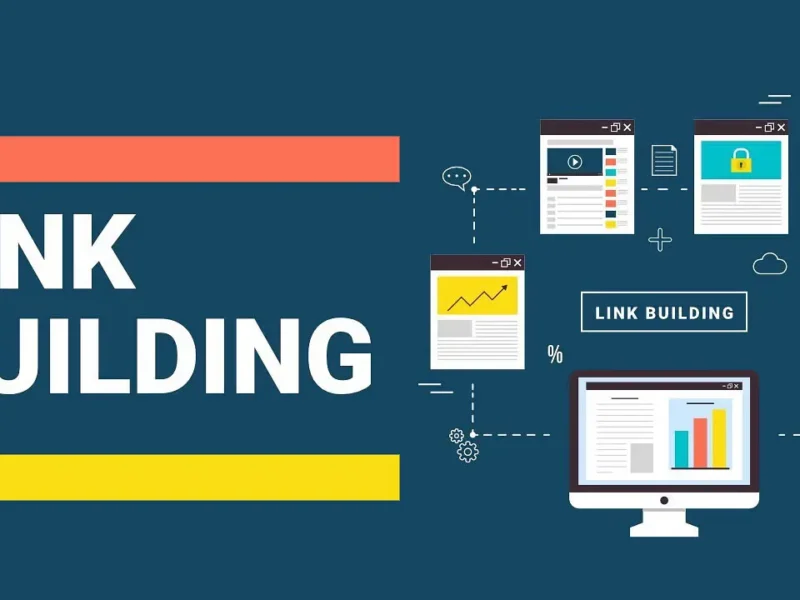
Building Link: Link building is the process of acquiring hyperlinks from other websites to your own website in order to improve visibility, authority, and search engine rankings. These hyperlinks, commonly known as backlinks, act as digital bridges that connect one piece of content to another across the internet. When a user clicks on a link, they are transported from one site to another, and when a search engine crawls that link, it discovers new pages and evaluates their importance. In practical terms, link building is about increasing your website’s reach by placing it within a network of trusted and relevant sources. The more quality connections your website has, the easier it becomes for search engines to understand that your content is useful, reliable, and worth ranking higher in search results.
Why Links Are Called the Backbone of SEO
Building Link: Links are called the backbone of SEO because they are one of the primary ways search engines measure authority and trust. Without links, search engines would have little context to decide which pages are more important than others. Links function like academic citations. When a research paper is cited by many credible sources, it is seen as more reliable. In the same way, when your website is linked by respected and relevant sites, Google assumes your content has value. Even with modern algorithms that consider user behavior, AI signals, and content quality, links remain a core ranking factor. They provide structure to the web and help search engines map relationships between different topics, industries, and brands.
Why Link Building Still Matters in 2026
How Google Uses Links as Trust Signals
Google uses links as trust signals because they reflect real-world human behavior. Website owners usually link to content they find useful, informative, or authoritative. This natural linking behavior allows Google to interpret links as endorsements. However, not all endorsements are equal. A link from a high-authority website, such as a popular industry blog or news platform, carries more weight than a link from a low-quality or unrelated site. This is because authoritative sites are selective and cautious about what they recommend. Over time, as your website accumulates links from trustworthy sources, Google builds confidence in your domain and gradually improves your rankings for competitive keywords.
Links vs Content: Which Matters More?
The relationship between links and content is often misunderstood. Many people argue that content is everything, while others claim links are more important. In reality, both are equally critical and work best together. Content is what provides value to users. It answers questions, solves problems, and builds engagement. Links, on the other hand, act as distribution channels that help your content reach a wider audience. Without content, links have nothing meaningful to point to. Without links, even the best content can remain invisible. The most successful SEO strategies focus on creating valuable content first and then promoting it through consistent link building.
Types of Links in SEO
Internal Links
Building Link: Internal links connect one page of your website to another page on the same domain. They play a major role in improving user experience by helping visitors navigate your site easily. From an SEO perspective, internal links distribute authority across your pages and guide search engine crawlers to important content. A strong internal linking structure ensures that no valuable page remains isolated and that link equity flows naturally throughout your site.
External Links
External links point from your website to another website. While these links do not directly improve your rankings, they help establish credibility and context. Linking to reliable sources shows search engines that your content is well-researched and connected to authoritative references. It also improves user trust, as readers appreciate being directed to additional useful information.
Backlinks
Backlinks are links from other websites pointing to your website. These are the most powerful type of links in SEO because they represent external validation. Backlinks act like recommendations from other sites, telling search engines that your content is worth referencing. The more high-quality backlinks you earn, the stronger your website’s reputation becomes.
Dofollow vs Nofollow Links
Building Link: Dofollow links pass SEO value and directly influence rankings by transferring authority. Nofollow links do not pass authority but still provide benefits such as referral traffic and brand exposure. A natural backlink profile usually includes both types, as it reflects organic linking behavior across the web.
White Hat vs Black Hat Link Building
White Hat Techniques
White hat link building focuses on ethical, sustainable, and long-term strategies. These techniques follow search engine guidelines and aim to create real value for users. Examples include guest posting on relevant websites, publishing high-quality content that naturally attracts links, digital PR campaigns, and building partnerships with industry influencers. White hat methods take more time and effort, but they build a strong foundation that protects your website from penalties and ensures steady growth.
Black Hat Risks
Black hat link building involves manipulative practices such as buying bulk links, using automated software, creating fake websites, or participating in private blog networks. These methods aim to trick search engines into ranking a site higher without providing real value. While they may deliver short-term results, they are extremely risky and often lead to algorithmic penalties.
Why Black Hat Fails Long-Term
Black hat techniques fail in the long run because search engines continuously update their algorithms to detect unnatural behavior. Once a site is flagged for spam, it can lose rankings overnight or even be removed from search results entirely. Recovering from such penalties is difficult and time-consuming. That is why sustainable SEO always relies on white hat strategies.
Core Benefits of Building Links
Higher Search Rankings
Building Link: One of the biggest advantages of link building is improved search engine rankings. High-quality backlinks signal to Google that your website is credible and authoritative. As a result, your pages are more likely to appear on the first page of search results, which increases visibility and organic traffic.
More Referral Traffic
Links also generate direct referral traffic. When users click on a link from another website, they land on your site. This traffic is often highly targeted because it comes from relevant sources, which means visitors are more likely to engage with your content or convert into customers.
Brand Authority and Trust
Being mentioned and linked on respected websites builds your brand reputation. Over time, people start recognizing your brand as an authority in your niche. This trust leads to higher engagement, better conversions, and stronger long-term growth.
The Psychology Behind Links
Links as Digital Recommendations
Humans naturally trust recommendations from others. In the digital world, links serve the same purpose. When a website links to your content, it is essentially recommending you to its audience. This psychological factor plays a major role in both user behavior and search engine algorithms.
Social Proof in SEO
Building Link: Social proof refers to the idea that people follow the actions of others. When many websites link to your content, it creates a perception of popularity and credibility. Google interprets this as a strong signal that your website deserves higher rankings.
Most Effective Link Building Strategies
Guest Posting
Guest posting involves writing articles for other websites in your niche in exchange for a backlink. This strategy is effective because it helps you reach new audiences, build relationships, and earn high-quality links from relevant sources.
Link Insertions (Niche Edits)
Link insertions involve adding your link to existing content on authoritative websites. Since these pages are already indexed and trusted, the link can provide immediate SEO value.
Broken Link Building
This strategy involves finding broken links on websites and suggesting your content as a replacement. It benefits both parties: the site owner fixes a broken resource, and you gain a backlink.
Resource Page Links
Many websites maintain resource pages that list helpful tools and articles. If your content provides value, you can request inclusion and earn a relevant backlink.
Skyscraper Technique
Building Link: The skyscraper technique involves finding popular content, creating a more detailed and updated version, and reaching out to sites that linked to the original content.
How to Find High-Quality Link Opportunities
Using Google Search Operators
Search operators such as “keyword + write for us” or “keyword + resources” help you quickly find websites that accept guest posts or link to external resources.
Using SEO Tools
Tools like Ahrefs, SEMrush, and Moz allow you to analyze competitor backlinks and identify link opportunities that already work in your niche.
What Makes a Good Backlink?
Domain Authority
Links from high-authority domains pass more SEO value and have a stronger impact on rankings.
Relevance
Relevance is crucial. A link from a related niche is far more valuable than a random link from an unrelated website.
Traffic Value
Building Link: Links from websites with real traffic provide both SEO benefits and potential customers.
Anchor Text Optimization
Anchor text should look natural and descriptive without excessive keyword stuffing.
Common Link Building Mistakes to Avoid
Buying Cheap Spam Links
Cheap links usually come from low-quality networks and can damage your site’s reputation.
Over-Optimized Anchors
Using the same keyword-rich anchor repeatedly can trigger algorithmic penalties.
Ignoring Relevance
Relevance should always be prioritized over quantity.
How Many Links Do You Really Need?
Quality vs Quantity
A small number of strong links often outperforms a large number of weak ones.
Competitive Analysis
By analyzing competitors, you can estimate how many quality links you need to compete effectively.
Link Building for Local Businesses
Citations and Local Directories
Local directories help improve visibility in regional searches and Google Maps.
Local Guest Posts
Building Link: Publishing content on local blogs and news sites builds authority in your geographic area.
Link Building for E-commerce Websites
Product Mentions
Getting your products reviewed by bloggers earns valuable backlinks and trust.
Influencer Outreach
Influencers can link to your store, bringing both traffic and brand awareness.
Measuring Link Building Success
Key SEO Metrics
Track keyword rankings, organic traffic, and referral traffic to measure success.
Tracking Tools
Google Search Console, Ahrefs, and SEMrush help monitor backlink growth.
The Future of Link Building
AI and Digital PR
Building Link: AI will automate research, but human relationships will remain essential.
Brand Mentions Without Links
Even unlinked brand mentions are becoming ranking signals.
Conclusion
Building Link: Link building is not about shortcuts or manipulation. It is about building genuine connections, creating valuable content, and earning trust over time. Just like real-life networking, the stronger your relationships, the more opportunities you unlock. When done consistently and ethically, link building becomes one of the most powerful tools for long-term SEO success, helping you grow traffic, authority, and brand visibility.