

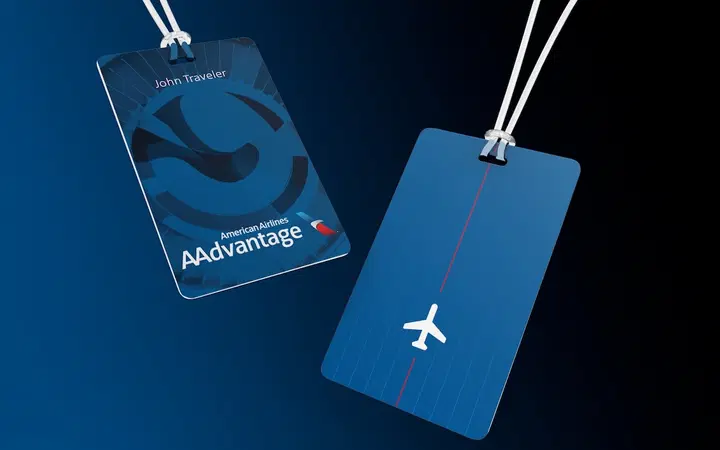
An airlines tag is a small but powerful element in modern air travel that works quietly behind the scenes while passengers focus on their journey. In simple terms, an airlines tag is an identification label attached to baggage or travel-related items that helps airlines track, sort, and deliver luggage accurately. Think of it like a digital name badge for your suitcase, guiding it through a complex maze of conveyor belts, scanners, and loading zones. The phrase “airlines tag” is also commonly used in digital and SEO contexts, especially on travel websites, to categorize airline-related content. Whether physical or digital, airlines tags play a critical role in keeping the aviation ecosystem organized, efficient, and surprisingly reliable in a fast-moving environment.
The Purpose of Airlines Tags in Air Travel
The primary purpose of an airlines tag is to create a clear identity for baggage and travel data, ensuring nothing gets lost in transit. Airports handle thousands of bags every hour, and without airlines tags, the system would collapse into chaos. These tags carry essential information such as flight number, destination, and routing details, allowing automated systems to do the heavy lifting. From a passenger’s perspective, airlines tags are the silent protectors of peace of mind. They reduce confusion, speed up handling, and help airlines manage massive volumes with precision. In many ways, airlines tags act like traffic signals in the sky’s busiest intersections, quietly directing movement without demanding attention.
Types of Airlines Tags Used Worldwide
Airlines tags come in several forms, each designed to meet different operational needs. Traditional paper-based tags are still widely used and contain printed barcodes scanned at multiple checkpoints. However, many airlines now rely on RFID-enabled airlines tags, which use radio frequency technology to transmit data automatically. These smart airlines tags allow real-time tracking and significantly reduce human error. Some airports even integrate mobile-generated tags, letting passengers print or activate them at self-service kiosks. Each type of airlines tag serves the same purpose but with varying levels of speed, accuracy, and technological sophistication, showing how aviation continues to evolve without passengers even noticing.
How Airlines Tags Work Behind the Scenes
Behind the scenes, airlines tags connect physical luggage to massive digital databases that update in real time. Once a tag is attached, scanners read its data at every stage, from check-in to loading and finally to baggage claim. This constant communication allows airlines to know exactly where a bag is at any moment. If you imagine a relay race, the airlines tag is the baton being passed smoothly from one system to another. This invisible coordination helps prevent delays, misrouting, and costly mistakes. Without airlines tags, modern air travel would be slower, more stressful, and far less reliable than passengers expect today.
Airlines Tag and Baggage Handling Systems
Baggage handling systems are the industrial backbone of airports, and airlines tags are their language. These systems read tags to sort, route, and load bags automatically with impressive accuracy. When a bag enters the system, its airlines tag tells machines exactly where it needs to go, much like GPS instructions for luggage. This automation saves time, reduces labor costs, and improves accuracy across the board. For passengers, this means shorter wait times and fewer lost bags. Airlines tags ensure that even during peak travel seasons, airports can function smoothly without turning into logistical nightmares.
Importance of Airlines Tag for Passenger Experience
From a traveler’s point of view, airlines tags are directly linked to comfort and trust. Nothing ruins a trip faster than lost luggage, and airlines tags are the first line of defense against that frustration. They make check-in faster, improve baggage claim efficiency, and reduce uncertainty. Airlines tags also support customer service teams when issues arise, allowing them to locate bags quickly. In a way, airlines tags are like seatbelts for your belongings—rarely noticed when everything goes right, but absolutely essential when something goes wrong.
Airlines Tag in Digital and Online Context
Beyond airports, the term “airlines tag” has strong relevance in digital content and SEO. Travel blogs, airline websites, and booking platforms use airlines tags to organize information and improve search visibility. In this context, an airlines tag acts as a categorization tool that helps users find relevant airline-related content quickly. Just as physical tags organize luggage, digital airlines tags organize information. This dual use makes the term especially valuable for both aviation operations and online marketing, bridging the gap between real-world logistics and digital discoverability.
Airlines Tag vs Boarding Pass Information
While airlines tags and boarding passes both contain travel data, they serve very different purposes. A boarding pass is for the passenger, confirming identity and seat assignment, while an airlines tag is for the baggage and systems. Confusing the two would be like mixing up a house key with a mailing label—they work together but do entirely different jobs. Airlines tags stay with luggage, guiding it independently of the passenger. Understanding this difference helps travelers appreciate why both are equally important for a smooth journey.
Security Role of Airlines Tags
Airlines tags also play a vital role in airport security and compliance. Each tag links baggage to a specific passenger and flight, helping authorities ensure that no unaccompanied or suspicious items slip through. This traceability supports international safety regulations and reduces security risks. Airlines tags act as accountability tools, making every bag traceable and auditable. In a world where safety is non-negotiable, airlines tags quietly contribute to keeping air travel secure without adding extra steps for passengers.
Airlines Tag Technology Evolution
The evolution of airlines tag technology mirrors the broader transformation of aviation. What started as handwritten labels has become smart, data-driven systems integrated with AI and automation. Modern airlines tags can communicate instantly, update status automatically, and integrate with mobile apps. This evolution reflects the industry’s push toward smarter airports and frictionless travel. Airlines tags may be small, but their technological journey shows how even the simplest tools can become powerful when innovation takes flight.
Environmental Impact of Airlines Tags
Despite their benefits, airlines tags also raise environmental concerns, especially disposable paper tags. Millions are discarded daily, creating waste challenges. In response, airlines are exploring recyclable materials and digital alternatives. RFID tags designed for reuse and mobile-based tagging systems are gaining attention. These eco-friendly airlines tag innovations aim to balance efficiency with sustainability. As travelers become more environmentally conscious, airlines tags are quietly adapting to meet greener expectations without compromising performance.
Common Problems Related to Airlines Tags
Even with advanced systems, airlines tags are not immune to problems. Tags can tear, detach, or fail to scan properly, leading to delays or lost luggage. Human error during attachment or system glitches can also cause issues. However, most airlines have backup procedures to resolve these problems quickly. Understanding these challenges helps passengers stay patient and proactive. Airlines tags are reliable, but like any system, they work best when supported by proper handling and awareness.
How Passengers Can Use Airlines Tags Smartly
Passengers can play a role in making airlines tags more effective. Double-checking tag details, removing old tags, and adding personal identifiers can make a big difference. Taking a photo of the airlines tag at check-in is a simple habit that can save time if issues arise. Think of it as keeping a receipt for your luggage. Small actions like these help travelers work with the system instead of against it, improving outcomes for everyone involved.
Airlines Tag in the Future of Aviation
The future of airlines tags looks intelligent, automated, and highly connected. AI-powered tracking, smartphone integration, and fully digital tags are already on the horizon. Smart airports will rely on airlines tags that communicate seamlessly across platforms, reducing delays and improving transparency. In the future, airlines tags may even alert passengers proactively before problems occur. This transformation will make air travel smoother, smarter, and more predictable than ever before.
Conclusion
Airlines tags may seem insignificant at first glance, but they are the backbone of modern air travel. From ensuring baggage accuracy to enhancing security, efficiency, and passenger satisfaction, airlines tags do far more than most travelers realize. They connect physical movement with digital intelligence, turning chaos into coordination. As technology evolves and sustainability becomes a priority, airlines tags will continue to adapt quietly but effectively. Understanding their role helps travelers appreciate the invisible systems that make flying feel effortless, even in one of the world’s most complex industries.