Understanding the Basics of Nofollow Links
What Is a Nofollow Link?
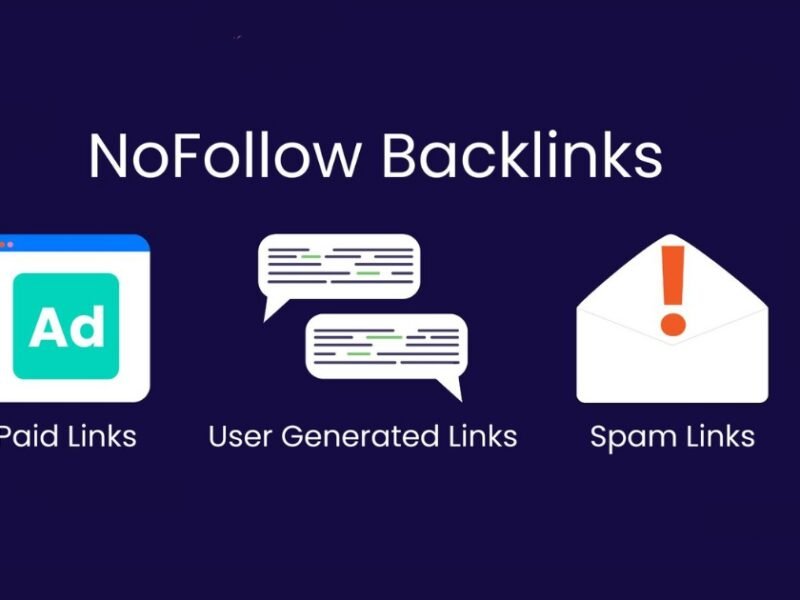
Do Nofollow Links Help SEO: If you’ve spent even five minutes in the SEO world, you’ve probably heard the term “nofollow link.” But what does it actually mean? A nofollow link is simply a hyperlink that contains a special HTML attribute telling search engines not to pass authority from one page to another. Think of it like a recommendation with a disclaimer attached. You’re pointing toward a website, but you’re not officially vouching for it. Website owners often use nofollow links for sponsored content, comments, or user-generated content to avoid passing link value. It’s not about hiding the link. It’s about controlling how search engines interpret that link.
How Nofollow Differs from Dofollow Links
Do Nofollow Links Help SEO: Here’s where things get interesting. By default, all links are “dofollow” unless specified otherwise. Dofollow links pass link equity, sometimes referred to as “link juice,” from one site to another. That equity can help improve search rankings. Nofollow links, on the other hand, traditionally do not pass that same authority. Imagine dofollow links as strong endorsements and nofollow links as neutral mentions. Both can bring traffic, but only one was originally designed to influence rankings directly. However, SEO isn’t black and white anymore. Search engines have evolved, and so has the way nofollow links are treated.
The History and Evolution of the Nofollow Attribute
Why Search Engines Introduced Nofollow
The nofollow attribute was introduced in 2005 to fight spam. Back then, blog comment sections and forums were flooded with low-quality links created purely to manipulate rankings. Search engines needed a solution. So, they created the nofollow tag as a shield against link spam. It allowed website owners to link externally without transferring authority. Think of it as installing a filter to separate genuine recommendations from manipulative tactics. This move helped clean up the web and forced SEO professionals to focus more on quality rather than quantity.
Google’s Updated Approach to Nofollow
Do Nofollow Links Help SEO: In 2019, Google changed the game. Instead of treating nofollow as a strict directive, it became a “hint.” That means Google can choose whether or not to consider a nofollow link when evaluating rankings. This update blurred the line between dofollow and nofollow links. While nofollow links still generally don’t pass full authority, Google may analyze them for context, relevance, and signals. So now, the question isn’t just “Do they pass link juice?” but rather “Can they contribute to overall SEO signals?” The answer is more nuanced than ever.
Do Nofollow Links Directly Impact Rankings?
Link Equity and PageRank Explained
To understand whether nofollow links help SEO, you need to grasp link equity. Search engines use algorithms like PageRank to determine the value of pages based on backlinks. Dofollow links contribute directly to this calculation. Nofollow links traditionally do not. It’s like having votes in an election. Dofollow links count as votes, while nofollow links were historically ignored in the tally. However, even if they don’t count as full votes, they still show that your website is being talked about. And that visibility matters in the broader SEO picture.
Can Nofollow Links Pass Authority?
Do Nofollow Links Help SEO: Technically, nofollow links are not designed to pass authority. But because Google now treats them as hints, they may still influence how your website is perceived. For example, if a high-authority website mentions your brand with a nofollow link, it still sends a strong relevance signal. It may not directly boost your rankings overnight, but it contributes to your site’s trust and recognition. SEO is not a single-factor game. It’s a web of signals. And nofollow links are threads in that web, even if they aren’t the thickest ones.
Indirect SEO Benefits of Nofollow Links
Driving Referral Traffic
Do Nofollow Links Help SEO: Let’s be practical. SEO isn’t just about rankings. It’s about traffic. A nofollow link on a popular website can drive hundreds or even thousands of visitors to your page. That traffic can lead to engagement, conversions, and even new backlinks. Imagine getting featured on a major news site with a nofollow link. Would you refuse it just because it doesn’t pass link juice? Of course not. Traffic is the lifeblood of online growth, and nofollow links can deliver it consistently.
Building Brand Visibility and Trust
Do Nofollow Links Help SEO: Brand mentions matter more than ever. When reputable sites link to you, even with nofollow, it increases your brand’s credibility. Users see your name associated with trusted platforms. That psychological effect is powerful. Over time, this visibility builds authority in your niche. Search engines notice brand signals, including mentions across the web. So while a nofollow link may not scream “ranking boost,” it quietly strengthens your digital footprint.
Natural Link Profile and Risk Reduction
A healthy backlink profile includes both dofollow and nofollow links. If all your links are dofollow, it can look unnatural and manipulative. Search engines expect diversity. Nofollow links add balance to your profile, reducing the risk of penalties. Think of it like a balanced diet. Too much of one thing can harm you. A mix of link types signals authenticity and organic growth.
When Nofollow Links Are Valuable for SEO
Social Media Links
Do Nofollow Links Help SEO: Most social media platforms use nofollow links. Does that mean social media is useless for SEO? Absolutely not. Social platforms drive traffic, amplify content, and increase visibility. While the links themselves may not pass authority, the exposure can lead to natural dofollow backlinks from bloggers and journalists who discover your content.
Forum and Blog Comment Links
Forum and blog comment links are usually nofollow, and that’s intentional. However, participating genuinely in communities can build reputation and traffic. If you provide value, people will explore your website. That engagement can lead to opportunities beyond the initial link.
High-Authority Website Mentions
A nofollow link from a major authority site is still powerful. It places your brand in front of a large audience and associates you with trusted sources. That credibility can open doors to partnerships, citations, and future dofollow backlinks.
Nofollow Links vs Dofollow Links: Which Is Better?
Do Nofollow Links Help SEO: Dofollow links are stronger for direct ranking benefits. There’s no debate there. But calling nofollow links useless would be a mistake. SEO is about the bigger picture. Dofollow links build authority, while nofollow links build visibility, trust, and traffic. Both play different roles. It’s like comparing fuel and an engine. You need both to move forward.
How to Use Nofollow Links in Your SEO Strategy
Instead of chasing only dofollow links, focus on earning quality mentions everywhere. Create valuable content that people want to reference. Accept nofollow links from reputable sites. Engage on social platforms. Build relationships. When your brand grows naturally, dofollow links will follow. SEO works best when it looks organic, not forced.
Common Myths About Nofollow Links
Do Nofollow Links Help SEO: One common myth is that nofollow links are worthless. Another is that they harm SEO. Neither is true. They simply serve a different purpose. SEO isn’t a single switch you turn on or off. It’s more like a dimmer, gradually adjusting signals over time. Nofollow links contribute to that broader signal mix.
Final Verdict: Are Nofollow Links Worth It?
Yes, they are worth it. Not because they directly skyrocket rankings, but because they strengthen your overall online presence. They bring traffic, diversify your link profile, and build brand awareness. Ignoring them would mean ignoring valuable opportunities.
Conclusion
So, do nofollow links help SEO? The answer isn’t a simple yes or no. They may not directly pass link equity like dofollow links, but they provide powerful indirect benefits. They drive traffic, increase brand recognition, create a natural backlink profile, and even act as ranking hints in some cases. SEO is a long game. It’s about building authority, trust, and visibility over time. Nofollow links are part of that journey. When used strategically, they support sustainable growth and strengthen your digital foundation.