Introduction to Business Description Editing
Business Description Editing Guidelines: A business description is one of the most underestimated yet powerful pieces of content in any brand’s digital presence. It acts like a digital handshake — the first interaction between your business and a potential customer. Whether someone finds you through Google, social media, or a marketplace, your description is usually the first thing they read. This small block of text decides whether users stay, explore, and trust you, or leave within seconds. That’s why editing a business description is not just about fixing mistakes; it’s about shaping perception, building authority, and influencing decisions.
Editing helps you transform raw information into a clear, engaging, and persuasive message. Most business owners write descriptions from their own perspective, focusing on what they want to say. But effective editing shifts the focus to what the customer wants to hear. It removes unnecessary details, improves structure, and ensures every sentence has a purpose. Think of it like sculpting — the material is already there, but editing removes the extra parts until the final shape looks sharp and professional.
Why Business Descriptions Matter
Business Description Editing Guidelines: Business descriptions matter because people don’t buy products, they buy clarity and confidence. When users read your description, they are subconsciously asking three questions: Who are you? What do you offer? And why should I trust you? If your description fails to answer these clearly, you lose the customer before the conversation even begins. A strong description builds credibility, reduces confusion, and increases the chances of conversion.
In today’s competitive digital environment, users compare multiple businesses within seconds. Your description must quickly communicate value and relevance. It works like a personal sales pitch that runs 24/7 without a break. A well-edited description creates a professional image, while a poorly written one makes even a great business look unreliable or amateur.
The Role of Editing in Brand Communication
Editing plays a central role in how your brand communicates. It aligns your message with your brand identity and business goals. Editing ensures consistency in tone, vocabulary, and style across all platforms. Without editing, your brand voice becomes scattered and confusing. One platform might sound formal, another casual, and another robotic.
Business Description Editing Guidelines: Good editing acts like a translator between your business knowledge and your audience’s understanding. It simplifies complex ideas, removes fluff, and focuses on benefits instead of technical details. The result is a message that feels natural, human, and trustworthy. Editing doesn’t change what you say — it changes how effectively you say it.
Understanding Your Target Audience
Understanding your target audience is the foundation of effective business description editing. You cannot write a strong description unless you know exactly who you are writing for. Different audiences have different expectations, language styles, and priorities. A description for corporate clients should not sound the same as one for teenagers or local shoppers.

Editing without audience clarity leads to generic content that fails to connect. When you know your audience, you can shape your message around their needs, problems, and goals. This makes your description feel personal, relevant, and engaging instead of vague and boring.
Identifying Customer Personas
Customer personas are fictional profiles that represent your ideal customers. They include demographic details like age, profession, and location, as well as psychological factors like interests, challenges, and motivations. Editing with personas in mind helps you decide what information to keep and what to remove.
For example, if your audience is small business owners, your description should focus on growth, efficiency, and results. If your audience is students, your tone should be simpler and more friendly. Personas help you write with intention instead of guessing, which significantly improves clarity and relevance.
Matching Tone with Audience Expectations
Business Description Editing Guidelines: Tone is how your brand “sounds” in words. It can be professional, casual, friendly, bold, or authoritative. Editing ensures your tone matches what your audience expects. If the tone feels wrong, users lose trust even if the content is correct.
A financial consulting firm should sound confident and professional, not playful. A lifestyle brand can sound relaxed and conversational. Tone is like body language in communication — it sets the emotional mood of your message.
Clarity and Simplicity in Writing
Clarity is the most important rule in business description writing. People do not have time or patience to decode complex sentences. They want quick, simple, and direct information. Editing for clarity means removing unnecessary words, simplifying sentence structure, and focusing on one idea at a time.
Simple writing does not mean low quality. In fact, the best brands in the world use simple language because it is more powerful and easier to understand. A clear description builds trust because it shows you respect the reader’s time and attention.
Avoiding Jargon and Complex Language
Business Description Editing Guidelines: Jargon creates a barrier between you and your audience. Industry terms may sound impressive, but they often confuse users who are not experts. Editing replaces technical or vague words with simple and specific ones.
For example, instead of saying “We provide scalable business solutions,” say “We help businesses grow with practical tools and strategies.” The second sentence is clearer, more human, and more persuasive.
Writing for Skimmability
Most users skim content instead of reading every word. Editing for skimmability means using short paragraphs, clear headings, and logical flow. Your key message should be visible even if someone only reads the first few lines.
Skimmable content feels lighter and more accessible. It guides the reader smoothly from one idea to another, like signboards on a road that prevent confusion and wrong turns.
Defining Your Unique Value Proposition
Your unique value proposition is what separates you from competitors. It answers the question: why should someone choose you? Editing sharpens this message by removing generic claims and highlighting real strengths.
Many business descriptions fail because they sound like everyone else. Editing helps you find your unique angle and communicate it clearly. This could be your experience, pricing, customer support, speed, or niche expertise.
Highlighting Core Services
Business Description Editing Guidelines: A strong description focuses on what you do best. Editing removes unnecessary services and highlights your main offerings. Customers prefer clarity over variety. They want to know exactly how you can help them.
Instead of listing everything, group services logically and explain the benefits. Benefits connect emotionally, while features only inform.
Differentiating from Competitors
Differentiation is your competitive advantage. Editing helps you express it in simple terms. Even small differences become powerful if communicated well. It’s not about being better at everything, it’s about being better at something specific.
SEO Optimization for Business Descriptions
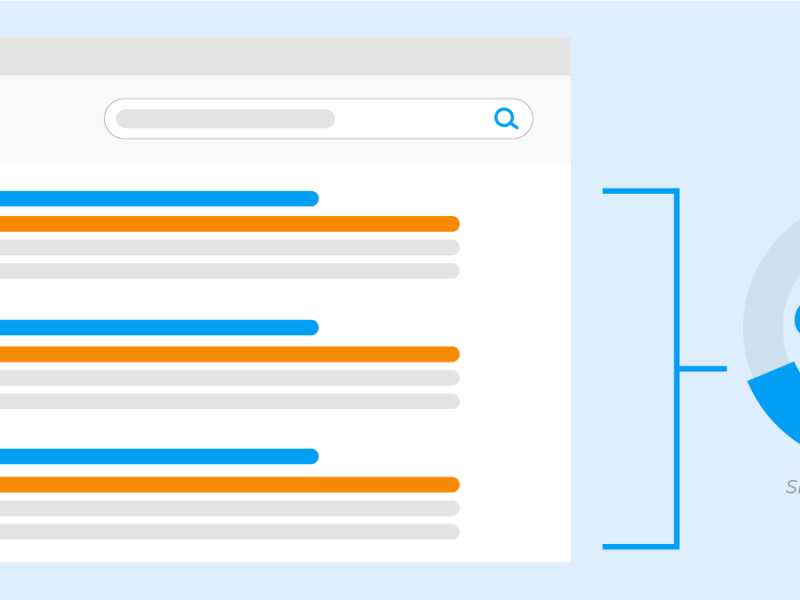
SEO helps your business get discovered. Editing for SEO ensures your description includes relevant keywords while still sounding natural. The goal is to attract both search engines and real humans.
Keyword Research Basics
Keywords are the words people type into search engines. Editing includes these naturally in your description. Focus on user intent, not just search volume.
Natural Keyword Placement
Keywords should fit smoothly into sentences. Forced keywords make content sound robotic and reduce trust.
Conclusion
Business Description Editing Guidelines: Business description editing is a strategic process that directly impacts how people see, understand, and trust your brand. It improves clarity, strengthens brand identity, boosts SEO, and increases conversions. A well-edited description acts like a digital salesperson, working silently but effectively every day. In a crowded online world, your description is not just information — it is your first impression, your credibility, and your competitive edge.