

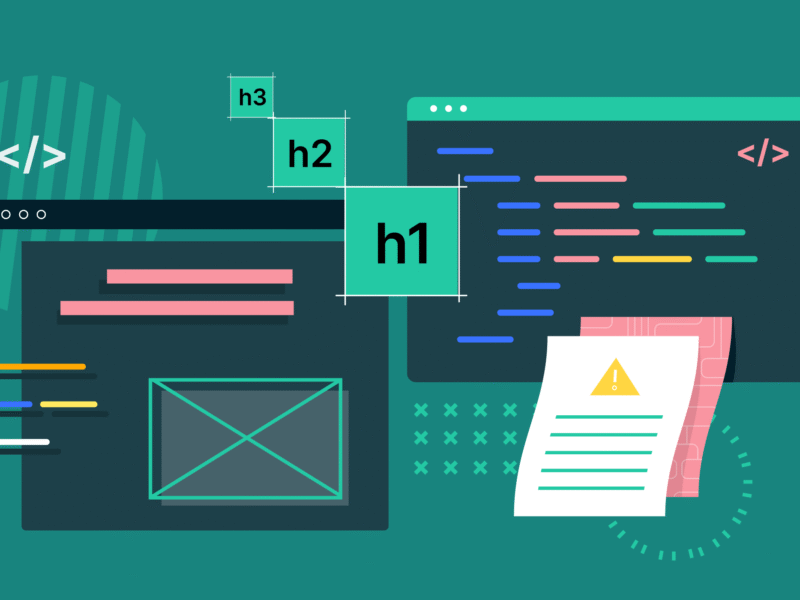
What Is an H1 Tag in SEO?
SEO H1 Tags Best Practices: An H1 tag is the main headline of a webpage. Think of it as the title on the cover of a book. When someone lands on your page, the H1 is usually the first big piece of text they see. In HTML structure, the H1 tag tells search engines, “This is what this page is mainly about.” It sets the tone and direction for everything that follows. Without a clear H1, your content is like a movie without a title. Confusing, right? Search engines rely on structure to understand context, and the H1 tag plays a central role in that structure.
The Technical Definition of an H1 Tag
SEO H1 Tags Best Practices: From a technical standpoint, an H1 tag is a heading element in HTML used to define the most important heading on a page. It is part of a hierarchy that goes from H1 to H6. H1 holds the highest priority. When search engine crawlers scan your page, they analyze headings to understand the content layout. The H1 helps them quickly identify the main topic. It is not just about font size or bold styling. It is about semantic meaning. Using the H1 correctly ensures that your website communicates clearly with both users and search engines.
Why Search Engines Pay Attention to H1
Search engines aim to deliver the most relevant results to users. To do that, they need signals. Your H1 tag acts as a strong signal about page relevance. When your primary keyword appears naturally in the H1, it reinforces the topic of your content. However, this does not mean stuffing keywords awkwardly. Instead, it means writing a headline that aligns with search intent. When your H1 matches what users are searching for, search engines gain confidence in your page. That confidence can translate into better rankings and improved visibility.
Why H1 Tags Matter for Rankings
SEO H1 Tags Best Practices: H1 tags are not magic ranking boosters, but they contribute to overall on-page SEO. They help search engines understand context and hierarchy. When combined with optimized content, internal links, and proper metadata, H1 tags strengthen your page’s relevance. Think of SEO like building a house. The H1 is the front door. It welcomes both users and crawlers. If that door is unclear or misleading, everything inside becomes harder to interpret. A well-crafted H1 supports your keyword strategy and improves content clarity at the same time.
Connection Between H1 and Search Intent
Search intent is everything in SEO. Are users looking for information, products, or comparisons? Your H1 should reflect that intent clearly. If someone searches for “seo h1 tags best practices,” they expect actionable guidance. Your H1 must confirm they are in the right place. When your headline aligns with the user’s goal, it reduces confusion and increases engagement. That alignment sends positive behavioral signals, such as longer time on page. In simple terms, matching intent through your H1 improves both SEO performance and user satisfaction.
How H1 Supports Content Structure
SEO H1 Tags Best Practices: Structure improves readability. The H1 introduces the main topic, and H2 and H3 tags break it into digestible sections. This hierarchy helps readers scan quickly. Most people do not read every word. They skim. A clear H1 gives them context before they dive deeper. Search engines also benefit from this structure because it organizes information logically. When your headings flow naturally, your content feels professional and trustworthy. It becomes easier for both humans and bots to navigate your page efficiently.
How Many H1 Tags Should You Use?
The traditional rule says one H1 per page. That advice still works well in most cases. One main topic deserves one primary headline. Using multiple H1 tags can dilute focus and confuse structure. While modern HTML5 technically allows multiple H1 tags in different sections, simplicity wins. A single H1 keeps your message clear. If your page tries to target multiple main topics, it may lack depth. Focused content tends to rank better because it satisfies specific search intent more effectively.
Single vs Multiple H1 Debate
Some developers argue that multiple H1 tags are acceptable with proper sectioning. Technically, they are not wrong. However, from an SEO and clarity standpoint, one H1 remains the safest strategy. It creates a clear hierarchy. Multiple H1 tags can blur the primary theme of the page. When everything is important, nothing feels important. Keeping one strong H1 ensures that search engines and readers instantly understand your main focus without second guessing.

What Modern HTML5 Says About H1
HTML5 introduced more flexibility in heading usage. Each section element can have its own H1. However, search engines still interpret the overall structure of the page. Best practice remains centered around clarity. Just because you can use multiple H1 tags does not mean you should. Clean, simple markup often performs better. Think of it like organizing a meeting. One main agenda keeps everyone aligned. Multiple main agendas create chaos.
How to Write an SEO-Friendly H1 Tag
SEO H1 Tags Best Practices: Writing an effective H1 requires balance. You want to include your primary keyword, but you also want it to sound natural. Avoid robotic phrases. Instead, craft something compelling. Ask yourself, would you click on it? A strong H1 is clear, specific, and engaging. It promises value. When readers feel that promise, they continue scrolling. When search engines detect keyword relevance within a natural sentence, they understand your topic better. Clarity always beats cleverness in SEO headlines.
Include Your Primary Keyword Naturally
Your main keyword should appear in the H1, but placement matters. It should feel seamless. Forced keywords weaken readability. For example, instead of repeating similar phrases awkwardly, integrate them smoothly into a meaningful headline. Natural language aligns better with modern search algorithms that prioritize user experience. Remember, search engines are smarter than ever. They evaluate context, not just exact matches. Focus on readability first, optimization second.
Keep It Clear, Compelling, and Human
SEO H1 Tags Best Practices: Your H1 is not just for bots. It is for real people. Write like you are speaking directly to the reader. Use clear wording. Avoid jargon unless necessary. A compelling H1 sparks curiosity while remaining specific. Imagine it as a handshake. Too weak, and it is forgettable. Too aggressive, and it feels uncomfortable. The right balance builds trust instantly and sets expectations for the rest of the content.
Ideal Length for an H1 Tag
There is no strict character limit for H1 tags, but keeping them between 20 to 70 characters works well. Extremely long headlines look cluttered and reduce clarity. Short headlines, on the other hand, may lack context. The goal is precision. Say what needs to be said, and stop. Avoid stuffing multiple keywords into one headline. Clean and focused H1 tags improve readability and make your content easier to digest.
Character Count Guidelines
While search engines do not truncate H1 tags like title tags, readability still matters. Aim for concise wording that communicates the main topic instantly. When someone lands on your page, they should understand your subject within seconds. Long-winded headlines slow that understanding. Keep it sharp and intentional.
Avoiding Keyword Stuffing
Keyword stuffing in H1 tags is outdated and harmful. Repeating variations unnecessarily makes your content look spammy. Instead, prioritize natural flow. One well-placed primary keyword is enough. Trust the supporting content and subheadings to reinforce context. Quality always beats repetition in modern SEO strategies.
Conclusion
Mastering SEO H1 tags best practices is about clarity, structure, and user intent. Your H1 acts as the foundation of your page. It guides readers, informs search engines, and sets expectations. When written thoughtfully, it strengthens your overall SEO strategy. Keep it focused, natural, and aligned with search intent. Avoid overcomplicating things. One strong, well-optimized H1 can transform the way your content performs. Treat it like the headline of a newspaper. If it captures attention and delivers clarity, you are already ahead of the competition.