

What Are SEO Reports for Clients?
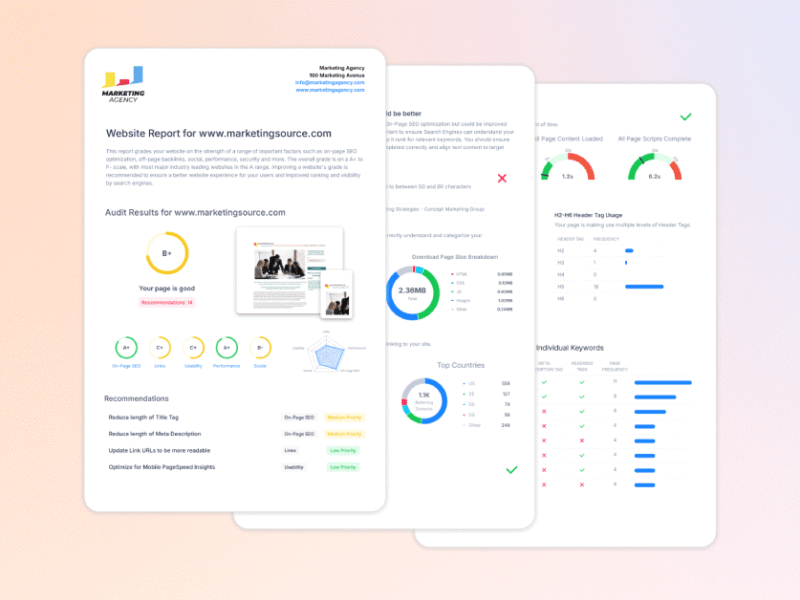
SEO reports for clients are structured documents that show how a website is performing in search engines over a specific period. Think of them as a progress report card, but instead of grades, you’re showing rankings, traffic, conversions, and growth trends. These reports translate complex search engine data into meaningful insights that clients can understand and act on. Without clear reporting, SEO feels like a guessing game. With proper reports, it becomes a measurable investment. A strong SEO report connects effort to outcome and helps clients see exactly where their money is going and what results they are getting in return.
Why SEO Reporting Matters in Digital Marketing
SEO Reports for Clients: SEO without reporting is like driving with your eyes closed. You might be moving, but you have no idea if you’re heading in the right direction. Reporting matters because it tracks progress, identifies opportunities, and uncovers problems before they grow. Clients want proof that strategies are working. Detailed SEO reports provide that proof. They highlight what’s improving, what needs adjustment, and where new opportunities exist. In a competitive digital landscape, transparency builds confidence. When clients see steady improvements in traffic and rankings, they feel secure in their investment and more willing to scale their campaigns.
The Difference Between Data and Insights
Raw data alone means very little to most clients. Numbers on a spreadsheet can feel overwhelming and confusing. Insights, however, tell a story. Data says traffic increased by 20 percent. Insight explains that the increase came from optimized blog content targeting high-intent keywords. That’s the difference. Great SEO reports don’t just present charts; they explain why something happened and what it means for the business. Clients don’t pay for data collection. They pay for clarity and direction. Turning numbers into clear action steps is what separates an average SEO report from an exceptional one.
Why Clients Care About SEO Reports
Clients care about SEO reports because they want accountability. They’re investing time, trust, and money into your services. Naturally, they expect measurable outcomes. A well-crafted report shows progress and reinforces that their decision to hire you was smart. It answers the silent question every client has: “Is this working?” When reports clearly connect SEO performance to leads, sales, or revenue growth, clients see real value. Reporting isn’t just a routine task. It’s a communication bridge between strategy and business growth, turning technical work into visible results.
Building Trust Through Transparency
SEO Reports for Clients: Transparency is the backbone of long-term partnerships. When you openly share wins, losses, and lessons learned, clients feel respected. Even if rankings drop temporarily, explaining the reason and outlining a recovery plan builds credibility. Hiding issues damages trust. Honest reporting, on the other hand, strengthens relationships. Clients appreciate clarity more than perfection. When you consistently provide transparent SEO reports, you position yourself as a strategic partner rather than just a service provider. That level of trust often leads to contract renewals and referrals.
Showing Real Business Impact
SEO Reports for Clients: Traffic is great, but revenue is better. Clients ultimately care about growth. Strong SEO reports highlight business metrics like conversions, leads, and return on investment. Showing how organic traffic contributes to actual sales connects SEO to bottom-line results. It shifts the focus from vanity metrics to meaningful performance indicators. When clients see that SEO efforts are generating qualified leads or increasing online sales, they understand the real impact. That’s when SEO transforms from an expense into an investment.
Key Elements Every SEO Report Must Include
A powerful SEO report covers several core components. Organic traffic trends reveal whether visibility is improving. Keyword rankings show how well target terms are performing. Conversion tracking highlights user actions like form submissions or purchases. Backlink analysis demonstrates authority growth. Technical SEO health reports ensure the website is functioning properly. Each section plays a specific role in telling the complete story. Together, they provide a 360-degree view of performance. Skipping any major component leaves gaps that could confuse or mislead clients about overall progress.
Organic Traffic Performance
Organic traffic is the heartbeat of SEO reporting. It shows how many visitors are coming from search engines without paid ads. Growth in organic sessions indicates improved visibility and stronger keyword positioning. Comparing monthly or quarterly trends helps identify seasonality and campaign effectiveness. A steady upward curve builds confidence. Sudden drops require explanation and action. Including geographic data, device breakdowns, and top-performing pages adds depth. Clients appreciate knowing not just how much traffic increased, but where it came from and which content drove results.
Keyword Rankings and Visibility
SEO Reports for Clients: Keyword rankings measure how visible a website is in search results. Tracking target keywords over time helps evaluate optimization efforts. Movement from page two to page one is significant progress. Highlighting top-performing keywords and new ranking opportunities provides direction. However, rankings alone are not everything. Combining keyword data with traffic metrics paints a clearer picture. Clients should understand which keywords drive clicks and conversions, not just impressions. Visibility growth shows momentum and competitive advantage.
Conversion and Goal Tracking
Conversions turn visitors into customers. Whether it’s a purchase, sign-up, or inquiry, tracking goals connects SEO to revenue. Including conversion rates and cost per acquisition helps clients understand profitability. If traffic increases but conversions stay flat, strategy adjustments may be needed. Reports should explain why changes happened and suggest improvements. Conversion tracking transforms SEO reporting from surface-level metrics to business-focused performance analysis. That’s where real value lies.
How to Structure SEO Reports for Clients
Structure determines clarity. Start with an executive summary that highlights key achievements and challenges. Busy clients often read this section first. Follow with visual charts and graphs to simplify data interpretation. Then include detailed breakdowns for traffic, rankings, and conversions. End with actionable next steps. This flow keeps the report logical and easy to follow. A messy report overwhelms readers. A structured one guides them smoothly from overview to detail.
Executive Summary First
SEO Reports for Clients: The executive summary sets the tone. It should clearly outline major wins, challenges, and upcoming plans. Think of it as the headline of a news story. Clients want quick insights before diving into details. Keeping it concise yet informative ensures engagement. Mention percentage growth, top achievements, and key priorities. A strong summary encourages clients to read the full report.
Visual Data Presentation
Charts and graphs simplify complex data. Visual representation makes trends obvious at a glance. Instead of long spreadsheets, use clean visuals that highlight performance changes. Simple comparisons like month-over-month growth create clarity. When data is easy to digest, clients stay engaged and confident in your reporting process.
Action Plan and Next Steps
Every SEO report should end with clear recommendations. What will be improved next month? Which keywords need more focus? Are technical fixes required? Action steps show momentum. They demonstrate that SEO is ongoing and proactive. Clients feel reassured when they see a roadmap ahead.
How Often Should You Send SEO Reports?
Most agencies send SEO reports monthly, which strikes a balance between meaningful data and timely updates. Monthly reporting provides enough time to measure changes while keeping communication consistent. Some clients may prefer weekly summaries for active campaigns, while others may request quarterly deep dives. The key is consistency. Regular updates maintain transparency and keep clients engaged in the growth journey.
Turning SEO Reports Into Client Retention Machines
SEO Reports for Clients: SEO reports can drive retention when done strategically. Clear communication, actionable insights, and visible progress create satisfaction. When clients understand the value you deliver, they stay longer. Reports should not feel like a formality. They should feel like a strategic conversation. When clients see consistent improvement and a clear roadmap, they view your service as essential rather than optional.
Conclusion
SEO reports for clients are more than performance summaries. They are powerful communication tools that build trust, demonstrate value, and drive long-term partnerships. By focusing on clarity, insights, and business impact, you transform technical data into meaningful growth stories. A well-structured, transparent report strengthens credibility and reinforces the importance of SEO in achieving measurable results. When done right, SEO reporting becomes the foundation of sustainable digital success.