

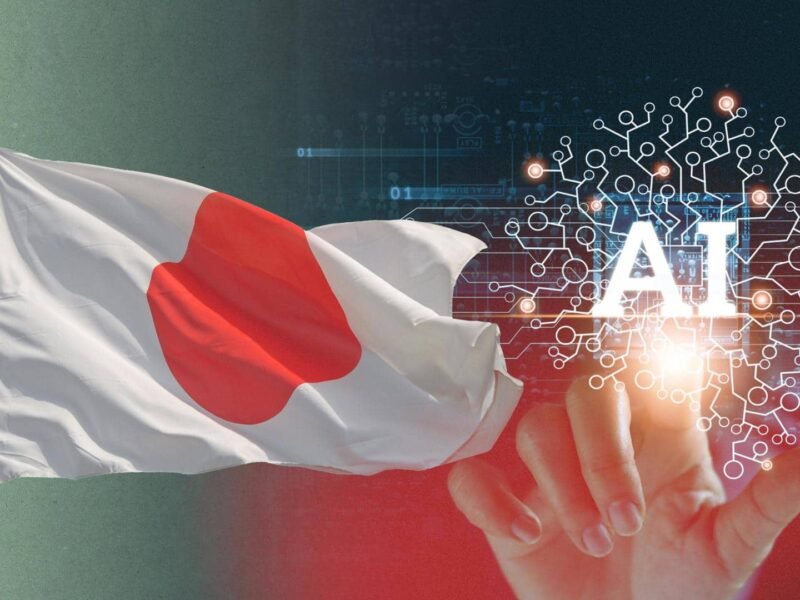
Understanding Japan’s Approach to AI Regulation
Japan is stepping confidently into the global AI race, but it’s not rushing blindly. Recent japan ai regulation news shows a country trying to strike a careful balance between innovation and responsibility. Instead of imposing heavy restrictions right away, Japan is shaping a regulatory environment that encourages technological growth while keeping public safety at the forefront. Think of it like building guardrails on a highway—you don’t want to slow traffic to a crawl, but you definitely want to prevent crashes. That’s the mindset driving policymakers. AI is transforming industries from healthcare to finance, and Japan wants to remain competitive without compromising ethical standards or citizen protection.
Why Japan Chose a Flexible Regulatory Model
Japan AI Regulation News: Rather than adopting strict laws immediately, Japan has leaned toward flexible guidelines and principles. Why? Because AI technology evolves faster than legislation can keep up. If laws are too rigid, they risk becoming outdated before the ink even dries. By choosing a softer regulatory approach, Japan gives businesses room to innovate while still encouraging responsible practices. This strategy helps companies experiment with generative AI, robotics, and automation without feeling boxed in. At the same time, authorities can adjust policies as technology advances. It’s a living framework, not a fixed rulebook, allowing Japan to adapt quickly in a rapidly changing digital landscape.
Balancing Innovation and Public Safety
Balancing innovation and safety is like walking a tightrope. Lean too far toward freedom, and risks increase. Lean too far toward control, and innovation suffocates. Japan’s AI strategy focuses on risk-based oversight, ensuring that higher-risk applications receive more scrutiny. For example, AI used in healthcare diagnostics or financial systems demands stronger accountability compared to low-risk applications like chatbots. This layered approach prevents overregulation while still protecting citizens. Public trust is crucial for AI adoption, and Japan understands that without transparency and safety measures, even the most advanced technology can face resistance from society.
Key Highlights from Recent Japan AI Regulation News
Japan AI Regulation News: Recent developments reveal that Japan is refining guidelines for generative AI tools and automated systems. Policymakers are emphasizing transparency, accountability, and fairness. Companies developing AI models are expected to clarify how their systems function, what data they use, and how they mitigate bias. These updates reflect growing global concerns about misinformation, intellectual property violations, and algorithmic discrimination. Japan’s updates aren’t about restricting innovation—they’re about ensuring responsible deployment. In other words, the government wants AI systems that people can trust, not black boxes operating without oversight.
Government Guidelines on Generative AI
Generative AI has sparked both excitement and anxiety worldwide. In Japan, authorities are encouraging developers to implement safeguards against harmful outputs, including misinformation and offensive content. Guidelines promote clear labeling of AI-generated material and responsible data usage. This means companies must carefully vet training data to avoid copyright conflicts and personal data misuse. The idea isn’t to block creativity but to make sure it doesn’t spiral into chaos. By setting expectations early, Japan hopes to prevent the kinds of controversies seen in other countries where AI systems were released without adequate oversight.
Data Privacy and Transparency Requirements
Japan AI Regulation News: Data is the fuel that powers AI engines. But what happens when that fuel includes sensitive personal information? Japan’s regulatory updates stress compliance with privacy protections and transparent data handling practices. Companies are urged to disclose how they collect, store, and process data. Transparency builds trust, and trust drives adoption. Imagine using an AI service without knowing where your data goes—it feels uncomfortable, right? That discomfort is exactly what regulators aim to eliminate. Clear guidelines help ensure AI growth doesn’t come at the expense of personal privacy or digital rights.

The Role of the Japanese Government in AI Oversight
Japan AI Regulation News: The Japanese government is taking an active yet collaborative role in AI governance. Rather than acting as a strict enforcer, it positions itself as a strategic partner. Policymakers work closely with industry leaders, academic institutions, and research organizations to shape AI standards. This cooperative model fosters innovation while aligning technological development with national priorities. Government-backed AI strategies aim to boost economic growth, improve public services, and enhance global competitiveness. By staying involved, authorities can monitor risks while also encouraging breakthroughs that benefit society.
Cabinet-Level AI Strategy
At the highest levels of government, AI is viewed as a cornerstone of Japan’s future economy. Cabinet-level strategies outline long-term plans for integrating AI across sectors such as manufacturing, healthcare, and transportation. These plans emphasize ethical principles and human-centric AI design. The focus is clear: AI should serve people, not replace them recklessly. National roadmaps also include investments in research and workforce training, ensuring citizens can adapt to an AI-driven economy. This proactive planning signals that Japan is not reacting to global trends—it’s shaping its own path forward.
Collaboration with Tech Companies
Japan AI Regulation News: Public-private collaboration plays a major role in Japan’s AI ecosystem. Government agencies frequently consult technology firms to understand emerging risks and opportunities. This dialogue helps craft realistic regulations that reflect industry realities. Instead of creating rules in isolation, policymakers gather feedback from developers and businesses. The result? Regulations that feel practical rather than punitive. When regulators and innovators sit at the same table, the outcome tends to be more balanced and effective. This cooperative spirit strengthens Japan’s position as a global technology leader.
Impact on Businesses and Startups
AI regulations inevitably affect businesses, but in Japan, the impact appears manageable and strategic. Large corporations must establish internal compliance frameworks to ensure AI systems meet transparency and safety standards. Meanwhile, startups are encouraged to innovate responsibly from the beginning. Clear guidelines actually reduce uncertainty for entrepreneurs. When expectations are defined, businesses can plan confidently. Rather than seeing regulation as a roadblock, many companies view it as a roadmap that clarifies boundaries while leaving plenty of room for creativity and growth.
Compliance Responsibilities for Corporations
Japan AI Regulation News: For corporations, compliance means documenting AI processes, evaluating risks, and maintaining accountability mechanisms. Companies may need to conduct regular assessments of their AI systems to identify biases or security vulnerabilities. These measures may sound demanding, but they also enhance credibility. When customers know a company follows strict ethical standards, trust increases. Trust translates into loyalty, and loyalty drives long-term success. Responsible AI practices can therefore become a competitive advantage rather than just a regulatory obligation.
Opportunities for AI Startups
Startups often thrive in environments that provide clarity without suffocation. Japan’s balanced approach creates fertile ground for AI entrepreneurs. With supportive government initiatives and growing investment in research, startups can experiment while adhering to ethical frameworks. Clear expectations prevent sudden legal shocks that could derail young companies. This stable environment encourages innovation in robotics, automation, and generative AI applications. For ambitious founders, Japan’s regulatory climate offers both freedom and structure—a rare but powerful combination.
How Japan’s AI Regulations Compare Globally
Japan AI Regulation News: Japan’s AI regulation approach stands apart from other major economies. While the European Union has adopted the comprehensive European Union AI Act, Japan prefers flexible guidelines rather than sweeping legal mandates. Meanwhile, the United States government relies heavily on executive policies and agency-level oversight instead of a unified AI law. Japan’s middle-ground strategy blends voluntary standards with government supervision. It’s neither overly strict nor completely hands-off. This balanced stance allows Japan to adapt as global AI norms evolve.
Comparison with the European Union AI Act
The European Union AI Act introduces strict classifications and penalties for high-risk AI systems. In contrast, Japan emphasizes guidance over punishment. The EU model resembles a detailed rulebook, while Japan’s model feels more like a principle-based framework. Each approach has strengths. The EU offers clarity and enforceability, while Japan offers adaptability. Businesses operating globally must understand these differences, especially when deploying AI across borders.
Differences from US AI Policy
Japan AI Regulation News: In the United States, AI governance largely stems from executive orders and sector-specific rules. There is no comprehensive federal AI law equivalent to the EU framework. Japan’s approach lies somewhere in between—more coordinated than the US system, yet less rigid than the EU’s. This positioning gives Japan flexibility while maintaining national alignment. It’s a strategic balance designed to maintain competitiveness in the global AI race.
Ethical AI and Social Responsibility in Japan
Ethics remain central to Japan’s AI strategy. Policymakers stress fairness, accountability, and human rights protection. AI systems must not discriminate or spread harmful misinformation. Developers are encouraged to design systems that respect cultural values and societal norms. Ethical AI isn’t just a buzzword—it’s a necessity for sustainable growth. Without public trust, technological progress stalls. Japan’s focus on ethical standards demonstrates a commitment to long-term stability rather than short-term gains.
Protecting Citizens from AI Risks
Protecting citizens involves addressing risks like biased algorithms, deepfakes, and privacy breaches. Japan’s guidance urges companies to conduct impact assessments before deploying high-risk systems. Preventive measures reduce the chance of harm and reinforce public confidence. AI should empower people, not exploit them. By proactively addressing risks, Japan strengthens its digital ecosystem.
Combating Deepfakes and Misinformation
Japan AI Regulation News: Deepfakes and misinformation pose serious threats to democracy and social stability. Japan’s regulatory updates encourage the clear labeling of synthetic media and stronger monitoring of harmful content. Transparency serves as a powerful antidote to deception. When people know content is AI-generated, they can evaluate it critically. Combating misinformation is an ongoing battle, but clear guidelines provide a solid defense.
Future Outlook of AI Regulation in Japan
Looking ahead, Japan’s AI regulation will likely evolve alongside technological advancements. As AI systems become more sophisticated, oversight mechanisms may become more formalized. However, the core philosophy—balancing innovation with responsibility—will likely remain intact. Japan understands that AI is not just a tool; it’s a transformative force reshaping society. By staying adaptable and collaborative, the country positions itself as both an innovator and a guardian of ethical standards.
Conclusion
Japan AI regulation news reveals a nation carefully crafting a forward-thinking strategy. By combining flexible guidelines with ethical oversight, Japan fosters innovation while protecting citizens. Its balanced approach sets it apart globally, offering lessons for other countries navigating similar challenges. As AI continues to evolve, Japan’s model may become a blueprint for responsible technological advancement—proving that progress and protection can move hand in hand.